
Master Your Speech: Essential Steps for Effective Preparation
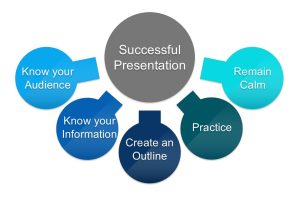
Preparing a speech can be a daunting task, but with the right approach, you can master the art of public speaking. Effective speech preparation involves a series of steps that ensure your message is clear, engaging, and impactful. This guide provides essential strategies for planning, writing, and delivering a successful speech.
1. Planning Your Speech
1.1 Define Your Speech’s Purpose
The foundation of any great speech is a clear understanding of its purpose. Are you aiming to inform, persuade, entertain, or inspire? Defining your purpose helps shape the content and tone of your speech, ensuring that it aligns with your goals and resonates with your audience.
1.2 Know Your Audience
Tailoring your speech to your audience is crucial for engagement. Research their demographics, interests, and level of knowledge about the topic. Understanding your audience enables you to choose the right language, examples, and tone, making your speech more relevant and impactful.
1.3 Choose a Relevant Topic
Select a topic that aligns with your purpose and interests your audience. If you’re given a specific topic, find a unique angle to make it engaging. A well-chosen topic not only captures attention but also enhances your credibility as a speaker.
2. Structuring Your Speech
2.1 Create a Detailed Outline
An effective speech needs a structured outline. Start with a strong introduction, followed by a well-organized body, and conclude with a memorable ending. A clear outline helps ensure your speech flows logically and covers all necessary points, keeping your audience engaged.
2.2 Craft an Engaging Introduction
Your introduction should grab the audience’s attention immediately. Use a compelling hook such as an interesting fact, a relevant quote, or a thought-provoking question. Clearly introduce yourself, state the topic, and provide a brief overview of what your speech will cover.
2.3 Develop a Cohesive Body
The body of your speech should present your main points in a clear and logical order. Support each point with evidence, examples, and anecdotes. Use transitions to smoothly connect each point, ensuring your speech is easy to follow and understand.
2.4 Write a Strong Conclusion
Your conclusion should summarize the key points and reinforce your message. End with a powerful closing statement, such as a call to action, a memorable quote, or a final thought that leaves a lasting impression on your audience.
3. Writing Tips for a Compelling Speech
3.1 Use Clear and Concise Language
Clarity is crucial in effective communication. Avoid jargon and complex language that might confuse your audience. Instead, use simple, clear, and direct language. This makes your speech accessible and ensures your message is easily understood.
3.2 Incorporate Rhetorical Devices
Rhetorical devices, such as metaphors, similes, and repetition, can enhance your speech. Use these techniques to create vivid imagery, emphasize important points, and make your message more memorable. Effective use of rhetorical devices helps engage and persuade your audience.
3.3 Utilize Visual Aids
Visual aids like slides, charts, or props can complement your speech and help illustrate complex points. Ensure your visuals are clear, relevant, and not overly complicated. Visual aids should support and enhance your message, rather than distract from it.
4. Practicing Your Speech
4.1 Rehearse Thoroughly
Practice is essential for delivering a polished speech. Rehearse multiple times to become familiar with your content and refine your delivery. Practice in front of a mirror, record yourself, or present to friends or family for feedback. Rehearsing builds confidence and improves performance.
4.2 Focus on Delivery
Effective delivery involves more than just speaking. Pay attention to your tone, pace, and body language. Speak clearly and at a steady pace, using variations in tone to emphasize key points. Practice maintaining eye contact and using natural gestures to engage your audience.
4.3 Time Your Speech
Ensure your speech fits within the allotted time. Practice with a timer to gauge the length and make necessary adjustments. Adhering to time limits shows respect for your audience and helps keep your presentation focused and on track.
4.4 Manage Nervousness
Feeling nervous before a speech is normal. Use relaxation techniques such as deep breathing and visualization to calm your nerves. Remember, thorough preparation and practice build confidence, helping you manage anxiety and deliver your speech more effectively.
5. Delivering Your Speech
5.1 Prepare the Environment
Ensure the speaking environment is conducive to delivering your speech. Check the audio-visual equipment, lighting, and seating arrangement. Arrive early to familiarize yourself with the venue and make any necessary adjustments. A well-prepared environment contributes to a smooth delivery.
5.2 Engage with Your Audience
Establish a connection with your audience through eye contact, a friendly tone, and engaging body language. Encourage participation by asking questions or inviting interaction. Engaging with your audience helps maintain their interest and makes your speech more impactful.
5.3 Be Prepared to Adapt
Be ready to adapt if unexpected issues arise. If you forget a point or encounter technical difficulties, stay calm and composed. Having a backup plan and being ready to improvise helps you handle unforeseen challenges effectively.
5.4 Reflect and Improve
After your speech, take time to reflect on what went well and what could be improved. Seek feedback from trusted sources and use it to refine your skills for future presentations. Continuous improvement is key to becoming a more effective speaker.
Conclusion
Mastering your speech involves thorough planning, clear writing, diligent practice, and confident delivery. By following these essential steps, you can craft and present a compelling speech that engages your audience and leaves a lasting impression. Remember, the foundation of a successful speech is effective preparation and practice. With these strategies, you can approach any speaking engagement with confidence and success.