
Mastering the Art of Effective Communication: Examples of Speaking Skills
Communication is a fundamental aspect of human interaction, and mastering the art of speaking is crucial for success in various aspects of life. Whether in the professional realm, social settings, or personal relationships, effective speaking skills play a pivotal role in conveying ideas, building connections, and influencing others. In this article, we will explore different examples of speaking skills that contribute to clear, impactful, and persuasive communication.
The Power of Verbal Communication
Verbal communication is the foundation of speaking skills, encompassing the use of words and language to convey thoughts and ideas. Effective verbal communication involves several key elements:
1. Clarity and Precision
Clear and precise communication is essential to ensure that your message is easily understood by your audience. Avoiding jargon and unnecessary complexity helps convey information in a straightforward manner. Using specific and concise language enhances clarity, reducing the likelihood of misunderstandings.

For example, instead of saying, “I need that report as soon as possible,” a more precise statement would be, “Could you please provide the quarterly report by 3 p.m. today?”
2. Tone and Pitch
The tone and pitch of your voice significantly impact how your message is received. A well-modulated and expressive voice can convey confidence, authority, and enthusiasm. Adjusting your tone based on the context and audience helps maintain engagement and effectively communicate emotions.
Consider the difference in tone between delivering exciting news with enthusiasm and providing sensitive information with empathy. Adapting your voice to match the situation enhances your ability to connect with others.
Non-Verbal Communication: Beyond Spoken Words
While verbal communication is crucial, non-verbal cues also play a vital role in conveying messages. Non-verbal communication includes body language, facial expressions, and gestures, all of which contribute to the overall effectiveness of your spoken communication.
1. Body Language
Body language speaks volumes, often revealing emotions, intentions, and levels of confidence. Maintaining eye contact, using open gestures, and adopting an upright posture project confidence and sincerity. Conversely, crossed arms, fidgeting, or avoiding eye contact can convey discomfort or lack of confidence.
In professional settings, being mindful of your body language during presentations or meetings can enhance your credibility and influence.
2. Facial Expressions
Facial expressions are a powerful tool for conveying emotions and emphasizing key points. Smiling when appropriate, nodding in agreement, or furrowing your brow to express concern can add depth and nuance to your spoken words. Being aware of your facial expressions ensures that your non-verbal cues align with your verbal message.
Adapting Communication Styles to Different Situations
Effective speaking skills involve the ability to adapt to various communication styles based on the context and audience. Whether in a formal presentation, casual conversation, or negotiation, tailoring your approach enhances your ability to connect and resonate with others.
1. Formal Presentations
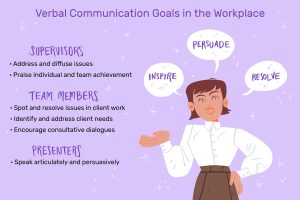
When delivering formal presentations, clarity and structure are paramount. Organize your thoughts logically, use visual aids effectively, and practice your delivery to ensure a confident and engaging presentation. Speaking clearly and at a moderate pace allows your audience to absorb and comprehend the information.
2. Casual Conversations
In everyday conversations, a more relaxed and conversational tone is appropriate. Pay attention to the flow of the conversation, listen actively, and respond thoughtfully. Using appropriate humor and being mindful of cultural nuances contribute to creating a positive and enjoyable interaction.
3. Negotiation Skills
Negotiation requires a unique set of speaking skills, including the ability to articulate your needs, actively listen to the other party, and find mutually beneficial solutions. Being assertive, yet respectful, and demonstrating empathy can lead to successful negotiations.
Continuous Improvement through Feedback
No matter how proficient you become in speaking skills, there is always room for improvement. Seeking feedback from peers, mentors, or using self-assessment tools can provide valuable insights into areas that may need refinement. Embracing a mindset of continuous improvement allows you to evolve and excel in your communication abilities.
Conclusion
Mastering speaking skills is a dynamic and ongoing process that requires a combination of verbal and non-verbal communication strategies. Whether in professional or personal settings, the ability to articulate ideas clearly, adapt to different communication styles, and receive and apply feedback is essential for effective communication. By honing these skills, individuals can enhance their influence, build meaningful connections, and navigate the complexities of interpersonal interactions with confidence and finesse. https://www.anman.com.au/bonny-hancock-australia/