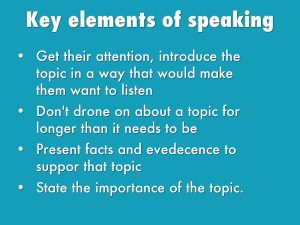
Key Elements of Effective Public Speaking
Public speaking is an essential skill in various aspects of life, from professional presentations to personal interactions. Mastering the key elements of effective public speaking can significantly enhance your ability to communicate ideas, engage your audience, and leave a lasting impression. Let’s delve into the crucial components that contribute to successful public speaking.
1. Confidence is the Foundation
Confidence forms the bedrock of effective public speaking. It’s the assurance that radiates through your words and body language, capturing the attention of your audience. To boost your confidence:
- Practice: Rehearse your speech multiple times to familiarize yourself with the content.
- Body Language: Maintain good posture, make eye contact, and use gestures to convey confidence.
2. Clarity in Message Delivery
Clarity is paramount in public speaking. Your audience should easily understand your message without confusion. Achieve clarity by:
- Organizing Your Content: Structure your speech logically with a clear introduction, body, and conclusion.
- Use of Language: Choose words wisely, avoid jargon, and explain complex ideas in a straightforward manner.
3. Engaging the Audience
Keeping your audience engaged ensures they remain attentive throughout your speech. Employ these techniques:
- Storytelling: Share relatable anecdotes to make your content more memorable.
- Interactive Elements: Encourage questions, polls, or discussions to involve your audience actively.
3.1 Use of Visual Aids
Enhance engagement by incorporating visual aids like slides or props. Visuals can reinforce your message and keep your audience focused.
4. Effective Vocal Delivery
How you deliver your speech vocally greatly influences its impact. Pay attention to:
- Tone and Pitch: Vary your tone to emphasize points, and modulate your pitch for a dynamic delivery.
- Pacing: Avoid speaking too quickly or too slowly; maintain a comfortable pace for better comprehension.
5. Adapting to the Audience
Understanding your audience is key to tailoring your message effectively. Consider their interests, knowledge level, and cultural background to establish a connection.
5.1 Audience Interaction
Encourage audience participation through Q&A sessions or discussions. This not only keeps them engaged but also demonstrates your responsiveness to their needs.
6. Overcoming Nervousness
Even experienced speakers may feel nervous. To overcome this, practice relaxation techniques, visualize success, and focus on the positive aspects of your message.

Conclusion
Effective public speaking is a valuable skill that can be cultivated with practice and dedication. By building confidence, ensuring clarity, engaging your audience, mastering vocal delivery, adapting to your audience, and managing nervousness, you can become a compelling and impactful speaker. Incorporate these key elements into your speaking repertoire, and watch as your communication skills soar.